
Dog and cat boredom solutions are easiest when they begin early. Many pet owners wait until behavior becomes stressful. Scratching, barking, chewing, and late-night zooming can all start from boredom. These behaviors are not random. They often reflect unused instincts and excess energy. Pets need safe ways to investigate, chase, sniff, chew, climb, and solve. When those needs have no outlet, the home becomes the playground. A stronger routine protects both your pet and your space. It also makes daily care feel more connected. Prevention always feels easier than repair.
Boredom creates friction in small moments. A dog may interrupt calls. A cat may attack ankles. Pets may demand attention when you finally sit down. These moments can strain the bond between owner and animal. The right activities help redirect energy before frustration appears. dog puzzle games give pets a task with a clear reward. Cats may prefer hunting-style play with pauses. Each animal needs a satisfying finish. Good enrichment turns problem energy into purposeful focus. That shift changes the whole household mood.
Boredom does not always look dramatic. Some pets sleep more than usual. Others follow you constantly from room to room. A cat may stare out the window for hours. A dog may lick paws or chew soft items. These patterns deserve attention. They can signal a need for more variety. Start by observing without judgment. Then add one new outlet at a time. Changes in mood often appear quickly. Your pet becomes more engaged when life feels interesting again.
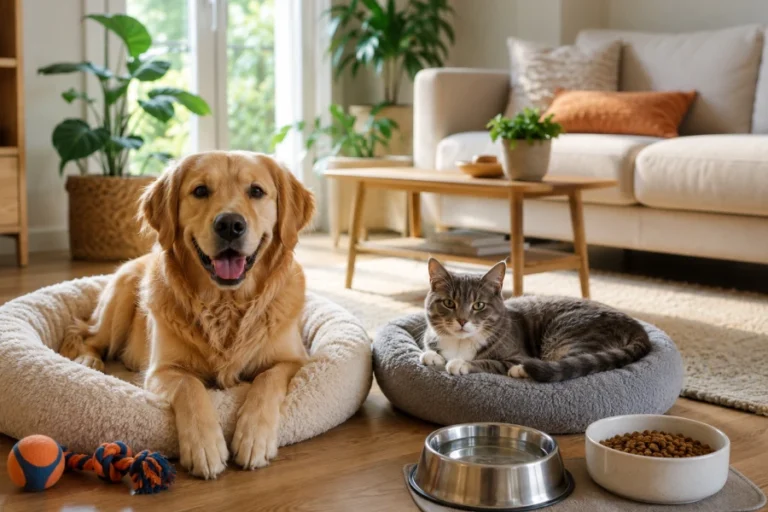
Shared homes need flexible enrichment. Family members may have different schedules. Pets may prefer different people or rooms. Create activities that anyone can start. Keep instructions simple and supplies visible. A small basket can hold safe items for quick sessions. cat play sessions can happen while another person handles dog activities. Clear zones prevent competition. Everyone supports the same goal. The routine becomes a family habit instead of one person’s responsibility.
Excitement needs a soft landing. Many pets become more restless when play stops abruptly. End sessions with sniffing, licking, chewing, or gentle searching. These activities help the nervous system settle. Dogs often relax after using their noses. Cats may calm down after catching a toy and eating a small reward. Avoid ending every session at peak intensity. Give your pet a predictable finish. Calm closure teaches better transitions. The home feels quieter when energy has a clear pathway down.
Your pet’s needs change over time. Puppies and kittens need frequent discovery. Adult pets often benefit from richer challenges. Senior animals may prefer slower activities with softer movement. Adjust difficulty instead of abandoning enrichment. Keep games accessible and safe. sensory activities for pets can support every age when tailored well. Texture, scent, sound, and gentle movement all matter. A thoughtful routine grows with your companion. Good care stays responsive.
Freshness comes from rotation, not constant buying. Hide one toy for a week. Move a puzzle to another room. Change the scent trail. Add a new texture. Use part of a meal as a reward. Track what works after difficult days. Notice which activities create calm afterward. Your pet’s favorite patterns will become clear. With a little planning, enrichment stays easy, useful, and enjoyable.

Leave a comment