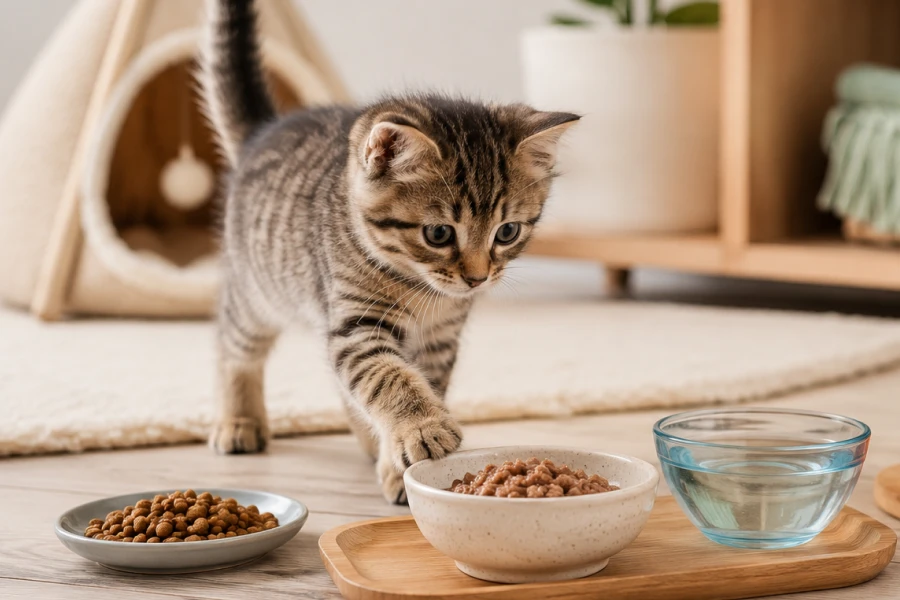
An age based pet feeding routine gives every meal a clearer purpose. Pets need food that fits their stage, not just their preference. A young pet may need more frequent meals. An adult pet may need stable portions. A senior pet may need softer timing and closer monitoring. Owners often feel unsure when those needs shift. A practical routine makes changes easier to understand. It also keeps the whole household consistent. Better feeding does not need to feel complicated. It needs structure that matches your pet’s life.
Confusion usually starts when routines drift. One family member adds treats. Another changes meal times. Portions become inconsistent. Pets may beg more because they learn uncertainty works. A clear routine prevents those mixed signals. mealtime structure for pets helps everyone follow the same plan. It also makes appetite changes easier to spot. Predictability supports calmer behavior. Owners feel more confident when meals have a pattern.
A feeding routine should fit your household. Perfect timing matters less than repeatable timing. Choose meals that match waking, work, school, and bedtime patterns. Pets learn these rhythms quickly. Consistency reduces begging and anxious waiting. If your schedule changes often, create a range instead of one exact minute. Morning meals can happen within a stable window. Evening meals can follow a predictable cue. The cue matters as much as the clock. Sustainable routines survive real life.
Young pets need frequent rhythm. Their energy can rise quickly. Hunger may affect training, focus, and sleep. Smaller scheduled meals can help them feel secure. Growth also requires careful portion checks. balanced pet meals support development when chosen with proper guidance. Avoid changing food repeatedly without a reason. Track reactions during any transition. Young pets thrive with gentle predictability. Strong routines begin early.
Adult pets need maintenance habits. This stage can quietly create weight problems. Owners may keep feeding like growth is still happening. Treats may increase while activity decreases. Measuring portions prevents slow drift. Scheduled meals also reveal appetite changes. A pet that suddenly refuses food should not be ignored. A pet that begs constantly may need enrichment, not more calories. Balance depends on observation. Adult feeding works best when it stays intentional.
Senior pets often need softer adjustments. Some animals eat better in quieter spaces. Others need bowls placed where movement feels easier. Dental issues, medication, or discomfort may affect appetite. Your veterinarian should guide medical concerns. healthy feeding habits become especially important with age. Watch weight, water intake, and enthusiasm. Keep meals predictable but flexible. Comfort should stay central. Small changes can protect quality of life.
Shared care needs visible instructions. Write meal times, portions, and treat limits in one place. Keep food tools near the feeding area. Label containers clearly. Use a simple note system for appetite changes. Family members should know what normal looks like. This prevents accidental overfeeding. It also helps pet sitters follow the rhythm. A routine succeeds when everyone understands it. Clear feeding habits make daily care smoother.



Leave a comment