
Puppy adult senior pet nutrition changes because pets change. A growing puppy does not eat like an adult dog. A mature cat does not always need the same rhythm it needed years ago. Senior pets may require closer attention to comfort, appetite, and digestion. These changes can feel confusing for owners. A stage-based approach makes decisions easier. It helps you understand why timing and portions matter. It also supports better conversations with your veterinarian. Mealtime becomes less random and more intentional. Each life stage deserves its own thoughtful rhythm.
Life stages create different feeding priorities. Young animals need growth support. Adult pets need maintenance and balance. Seniors often need comfort, consistency, and careful observation. A single approach rarely works forever. Owners should expect feeding routines to evolve. life stage nutrition helps explain those changes. It also reduces guesswork when appetite shifts. Clear stages make feeding feel manageable. Better structure creates more confident care.
Activity level matters at every age. A playful young pet may burn energy quickly. A quiet adult may gain weight with oversized portions. A senior pet may need encouragement to keep eating well. Indoor routines also change calorie needs. Treats can quietly disrupt balance. Watch how your pet moves, rests, and responds after meals. Food choices should reflect real life, not assumptions. Body condition matters more than the number on a bag. Practical observation keeps nutrition grounded.
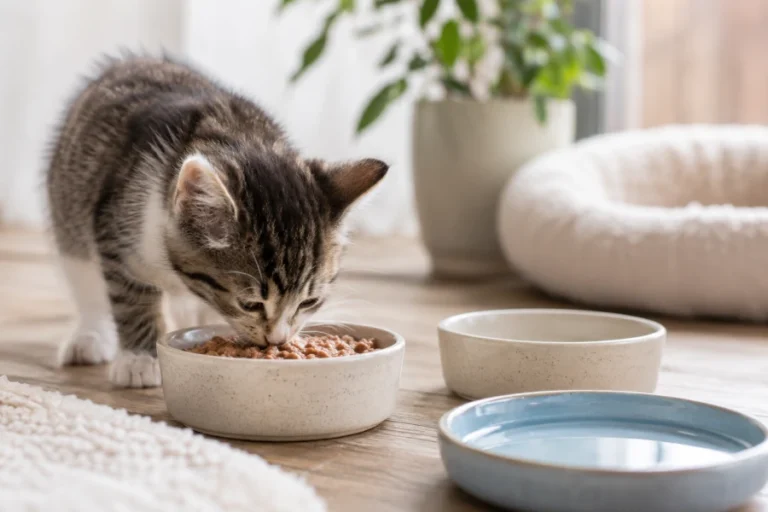
Growing pets need more frequent attention. Their bodies develop quickly. Their meals support bones, muscles, energy, and learning. Feeding too randomly can create hunger-related behavior. Predictable meals make training easier. age appropriate pet food gives owners a useful starting point. Labels and veterinary advice should shape portions. Growth should be steady, not rushed. Keep notes during transitions. Early habits influence future mealtime behavior.
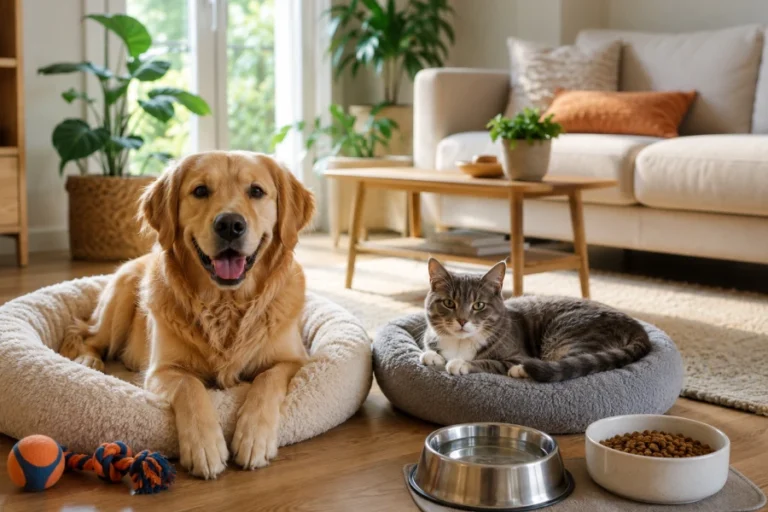
Adult feeding often looks simple. Yet many owners overfeed during this stage. Stable weight depends on portions, activity, treats, and routine. A measuring cup can prevent gradual portion creep. Scheduled meals help owners notice appetite changes. Free feeding may work for some pets, but not all. Cats and dogs have different needs. Breed, size, and lifestyle also matter. Maintenance requires attention, not perfection. Small corrections protect long-term comfort.
Senior pets deserve patient feeding support. Appetite may change with dental comfort, mobility, or medical needs. Some animals prefer softer textures. Others need more enticing aromas. Meal location can affect willingness to eat. senior dog and cat meals should respect comfort and routine. Watch water intake and weight closely. Report sudden changes to your veterinarian. Aging does not require panic. It requires closer attention.
Daily life becomes easier with a flexible plan. Choose feeding times your household can repeat. Measure portions consistently. Keep treats visible on a shared chart. Adjust meals during growth, weight changes, or health shifts. Use gradual transitions when changing foods. Ask your veterinarian about special concerns. Notice how your pet behaves before and after meals. Feeding becomes a quiet form of care. The right structure supports every stage.


Leave a comment