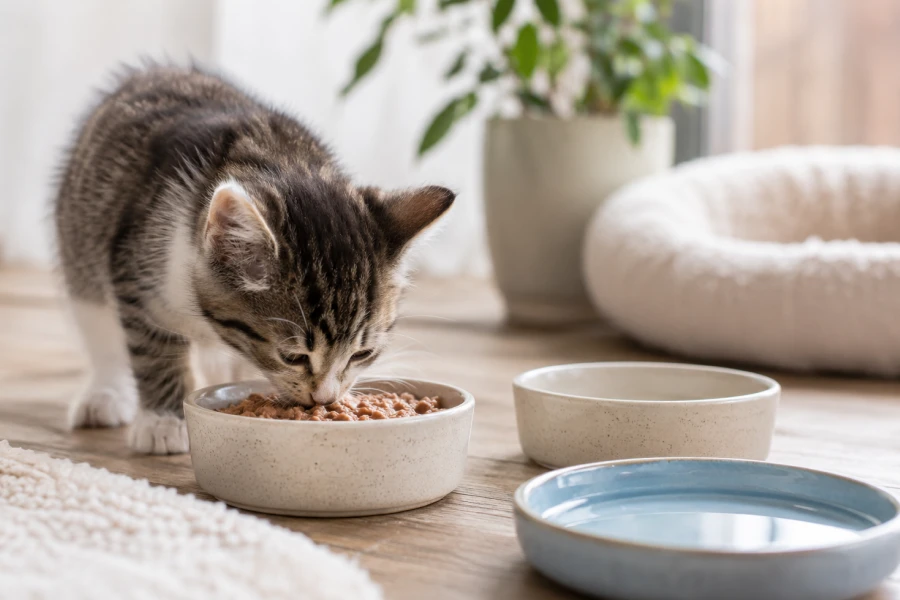
A pet feeding schedule by age helps owners make calmer daily choices. Pets do not need the same rhythm forever. Puppies, kittens, adults, and seniors have different energy demands. Their digestion, appetite, and routines also change with time. Without structure, meals can become confusing. Some pets eat too quickly. Others graze without consistency. A clear rhythm makes feeding feel less stressful. It also helps owners notice changes sooner. Better meals begin with understanding the stage your pet is in today.
Feeding habits shape more than appetite. They influence energy, behavior, digestion, and daily predictability. Young pets often need more frequent meals. Adults usually benefit from steadier structure. Seniors may need smaller portions or softer timing. The right system helps you respond before problems grow. feeding schedule for puppies can reduce hunger spikes and training disruptions. Adult pets need routines that match activity levels. Senior pets often need closer observation. Good timing makes care easier to manage.
Appetite changes deserve context. A pet may eat less during heat, stress, or routine changes. Another may beg more because activity increased. Sudden changes should always receive attention. However, not every shift means panic. Track meals, water, treats, and energy together. Patterns become easier to understand when you see the full picture. Feeding time becomes a daily health check. You learn what is normal for your pet. That knowledge helps you act with confidence.
Young pets need dependable structure. Their bodies grow quickly. Their energy rises and falls throughout the day. Frequent meals can prevent frantic hunger. Predictable feeding also supports training. Puppies and kittens learn routines through repetition. puppy feeding rhythm helps owners connect meals with potty breaks and rest. Portions should match veterinary guidance and food labels. Watch body condition as growth continues. Early structure builds easier habits later.
Adult pets usually thrive on steady routines. Their meals should match activity, size, and lifestyle. A highly active dog may need different timing than a relaxed companion. Indoor cats may require careful portion awareness. Treats should count as part of daily intake. This prevents accidental overfeeding. Keep meals at similar times when possible. Measure food instead of guessing. Notice changes in body shape. Small adjustments keep adult pets comfortable and balanced.
Senior pets often need gentler mealtime support. Some chew more slowly. Others feel hungry at different times. Joint discomfort may affect where they prefer to eat. Digestion can also become more sensitive. senior pet nutrition should feel practical and observable. Smaller meals may work better for certain pets. Elevated bowls help some animals, but not all. Your veterinarian can guide medical concerns. Comfort should shape the routine.
The best schedule feels useful, not rigid. Start with your pet’s current age and routine. Then adjust one meal detail at a time. Track appetite, stool quality, energy, and weight. Keep notes simple enough to maintain. A visible chart can help family members stay consistent. Avoid changing food too quickly unless instructed by a professional. Use gradual transitions whenever possible. Feeding becomes calmer when everyone follows the same pattern. Your pet benefits from steady care.




Leave a comment