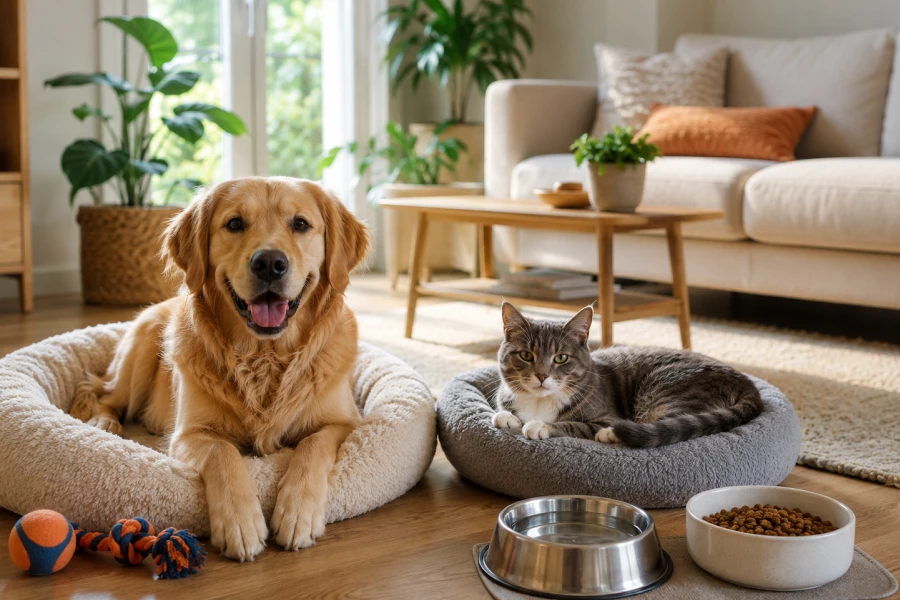
Indoor pet stimulation matters when outdoor time is limited. Weather changes, workdays stretch, and family schedules become full. Pets still need movement, curiosity, and choice. Without useful outlets, they may create their own entertainment. That entertainment often involves furniture, noise, or midnight energy. A better plan gives your pet small challenges throughout the day. It supports confidence without overwhelming your schedule. You can create variety with simple household items. Your pet feels noticed, even during busy weeks. A calm home begins with purposeful indoor moments.
Indoor routines help pets feel secure. Predictable activities reduce frustration. Dogs often relax faster after scent work or problem solving. Cats may settle better after stalking, pouncing, and gentle exploration. The goal is not constant excitement. The goal is satisfying natural instincts in safe ways. boredom relief for pets works best when it feels varied. Some days need movement. Other days need calm focus. Emotional balance grows when both needs receive attention.
Your pet’s personality should shape the routine. A bold dog may love puzzle tasks and searching games. A shy cat may prefer quiet hiding spots and slow toy movement. Senior pets often enjoy gentle sniffing or soft textures. Young pets may need several short outlets instead of one long session. Watch how your pet responds after each activity. Better choices usually create relaxation, not more chaos. Avoid forcing games your pet ignores. Curiosity should lead the process. The best routine feels like a conversation with your animal.
Mixed-pet households need thoughtful spacing. Dogs and cats may enjoy enrichment differently. A dog may rush toward food-based tasks. A cat may need privacy before engaging. Create separate zones when possible. Use height for cats and floor puzzles for dogs. interactive play routines can help each pet feel included. Rotate who receives attention first. This prevents competition from becoming part of the activity. Harmony improves when every pet has a fair chance.
You do not need a closet full of supplies. A towel can hide treats. A muffin tin can slow a fast eater. A cardboard tube can become a scent game. A paper bag can become a cat tunnel. Safe household objects bring novelty without extra spending. Always supervise new materials first. Remove items that tear into unsafe pieces. Keep sessions short and upbeat. Ordinary objects become powerful when used with intention. Creativity often matters more than expensive products.
Workdays can make pets feel disconnected. A short morning activity helps start the day well. A midday puzzle can reduce pacing or attention-seeking. Evening play can release energy before bedtime. Use activities that do not require constant supervision when you are busy nearby. enrichment toys for pets can support independent engagement when chosen safely. Rotate options to keep them interesting. Store high-value toys between sessions. Your pet will respond with more enthusiasm. Structure turns busy days into calmer days.
The easiest system is the one you see. Keep a small enrichment station near daily pet supplies. Include treats, safe toys, towels, and simple puzzle items. Write down activities your pet enjoyed most. Repeat favorites often, but change small details. Move a game to another room. Change the reward texture. Adjust the difficulty slightly. Your pet stays curious without feeling confused. Indoor enrichment succeeds when it becomes simple enough to maintain.


Leave a comment